
Understanding the Meaning of Pomerusky
The term “Pomerusky” often appears in search bars and online discussions, but it does not refer to a distinct or officially recognized breed. Instead, it is a common misspelling of Pomsky, a hybrid dog created by crossing a Pomeranian with a Siberian Husky. This confusion happens frequently because the name itself blends parts of both parent breeds, making it easy for people to mix up spelling when typing quickly or hearing it for the first time.


Even though the word is technically incorrect, it has taken on a life of its own in online searches. Many people who type “Pomerusky” are still looking for accurate information about the same adorable hybrid dog. Because of this, the term has become a kind of informal label rather than a separate concept. Understanding this helps avoid confusion and ensures that readers find the right information.
This mix-up also highlights how modern language evolves, especially in digital spaces. When a breed becomes popular quickly, variations in spelling tend to spread just as fast. In this case, the meaning remains tied to the same dog, even if the name changes slightly. That is why learning the correct background is important before exploring further details.
The Origins Behind the Pomerusky Name
The story behind the Pomsky begins with the rising demand for designer dogs that combine the best traits of two beloved breeds. Breeders wanted a smaller dog that carried the striking appearance of a Husky while maintaining a more compact size. This idea led to the intentional crossing of Huskies and Pomeranians, eventually producing the hybrid now widely known.
The variation “Pomerusky” likely developed as people tried to merge the full names of both breeds rather than shortening them. While “Pomsky” became the standard term, alternative spellings continued to appear across blogs, forums, and search queries. Over time, these variations became common enough that many people assumed they referred to something slightly different.
Despite the naming confusion, the origin of the dog remains the same. Breeders carefully select parent dogs to achieve specific traits such as size, coat quality, and temperament. The result is a companion that captures attention with its fox-like face, expressive eyes, and fluffy coat, all wrapped in a smaller frame than a typical Husky.
Physical Appearance and Size Expectations
Dogs referred to as Pomerusky often display a striking blend of features inherited from both parent breeds. Many have the thick double coat and facial markings of a Husky, combined with the compact body structure of a Pomeranian. Their eyes can be particularly captivating, sometimes appearing blue, brown, or even a mix of both.
Size can vary significantly, which surprises many first-time owners. Some individuals stay quite small, closer to the Pomeranian side, while others grow larger depending on their genetic makeup. Most fall within a moderate range, making them suitable for apartment living as well as homes with more space. This variability adds to their appeal but also requires realistic expectations.
Their coats often require attention due to their density and length. Shedding can be moderate to heavy, especially during seasonal changes. Regular brushing helps maintain coat health and reduces loose fur around the home. These physical traits contribute to their popularity but also come with responsibilities that potential owners should understand.
Temperament and Personality Traits
The personality of a Pomerusky typically reflects a lively and affectionate nature. These dogs enjoy being around people and often form strong bonds with their families. They can be playful and curious, making them entertaining companions for both adults and children.
Intelligence stands out as one of their defining traits. Thanks to their Husky lineage, they often learn quickly and respond well to consistent training. However, they may also show a stubborn streak, which means patience and clear communication play a key role in shaping their behavior.
Vocal tendencies are another important aspect of their personality. Many enjoy expressing themselves through barking or “talking,” a behavior commonly associated with Huskies. While this can be charming, it may require training to manage in quieter living environments.
Care Needs and Daily Requirements
Caring for a Pomerusky involves meeting both physical and mental needs. These dogs thrive on daily activity, which can include walks, playtime, and interactive games. Regular exercise helps prevent boredom and supports overall health.
Grooming forms a major part of their care routine. Their thick coats need consistent brushing to prevent tangles and reduce shedding. Occasional baths and routine nail trimming also contribute to their well-being. Owners who stay consistent with grooming often find it easier to manage their coat over time.
Mental stimulation is equally important. Puzzle toys, training sessions, and social interaction help keep their minds engaged. Without enough stimulation, they may develop unwanted behaviors. A balanced routine ensures they remain happy, healthy, and well-adjusted.
Training and Socialization Tips
Training a Pomerusky requires a balanced approach that combines structure with positive reinforcement. These dogs respond best to rewards such as treats, praise, and play. Early training builds a strong foundation and helps establish good habits from the start.
Socialization plays a key role in shaping their behavior. Introducing them to different people, environments, and other animals helps reduce fear and builds confidence. Well-socialized dogs tend to adapt better to new situations and show fewer behavioral issues.
Consistency remains essential throughout the training process. Short, regular sessions work better than long, infrequent ones. By maintaining a calm and patient approach, owners can guide their dogs toward becoming well-mannered companions.
Health Considerations and Lifespan
Like many hybrid dogs, the Pomerusky may benefit from genetic diversity, but it can still inherit health concerns from its parent breeds. Common issues may include dental problems, hip concerns, or eye conditions. Regular veterinary checkups help detect and address these early.
A healthy lifestyle contributes significantly to longevity. Proper nutrition, regular exercise, and preventive care all play a role in maintaining good health. Owners who stay proactive often enjoy many happy years with their pets.
The average lifespan usually falls between 12 and 15 years, depending on genetics and care. This relatively long lifespan makes them a long-term commitment, requiring dedication and attention throughout their lives.
| Term | Meaning | Official Recognition | Usage Context |
|---|---|---|---|
| Pomerusky | Misspelling of Pomsky | No | Informal, search queries |
| Pomsky | Husky-Pomeranian hybrid dog | Yes (common usage) | Breeders and owners |
Is a Pomerusky the Right Pet for You?
Choosing a dog is a personal decision that depends on lifestyle, space, and time commitment. A Pomerusky suits individuals or families who enjoy active, engaging pets. Their playful nature and affectionate personality make them wonderful companions.
However, they are not a low-maintenance choice. Their grooming needs, energy levels, and vocal tendencies require attention and patience. Owners who prefer a quiet or highly independent pet may find them challenging.
Understanding these factors helps ensure a good match. When their needs align with an owner’s lifestyle, they can bring joy, companionship, and endless entertainment into a home.
Conclusion
The term Pomerusky may begin as a simple spelling mistake, but it opens the door to learning about one of the most charming hybrid dogs around. While the correct name is Pomsky, the meaning remains the same: a delightful mix of beauty, intelligence, and personality drawn from two iconic breeds.
These dogs stand out not only for their appearance but also for their lively spirit and affectionate nature. They require dedication, especially when it comes to grooming, training, and daily engagement. In return, they offer companionship that feels both rewarding and memorable.
Understanding the truth behind the name helps clear confusion and allows potential owners to focus on what truly matters. Whether someone calls them Pomsky or Pomerusky, the experience of living with one remains full of energy, warmth, and connection.
FAQs
1. Is Pomerusky a real dog breed?
No, it is not an official breed name. It is a misspelling of Pomsky.
2. How big does a Pomerusky grow?
Most weigh between 9 and 30 pounds, depending on genetics.
3. Are Pomerusky dogs good with families?
Yes, they are generally affectionate and enjoy being around people.
4. Do Pomerusky dogs shed a lot?
Yes, they often have thick coats and shed regularly, especially seasonally.
5. Are Pomerusky dogs easy to train?
They are intelligent but can be stubborn, so consistent training works best.
Related Posts

Bitni Spirs: The Fascinating Rise of a Unique Food Trend
What Is Bitni Spirs and Why It Matters Bitni spirs…

Coni Momoa: Inspiring Story Behind the Star
Who Is Coni Momoa? Coni Momoa is widely recognized as…
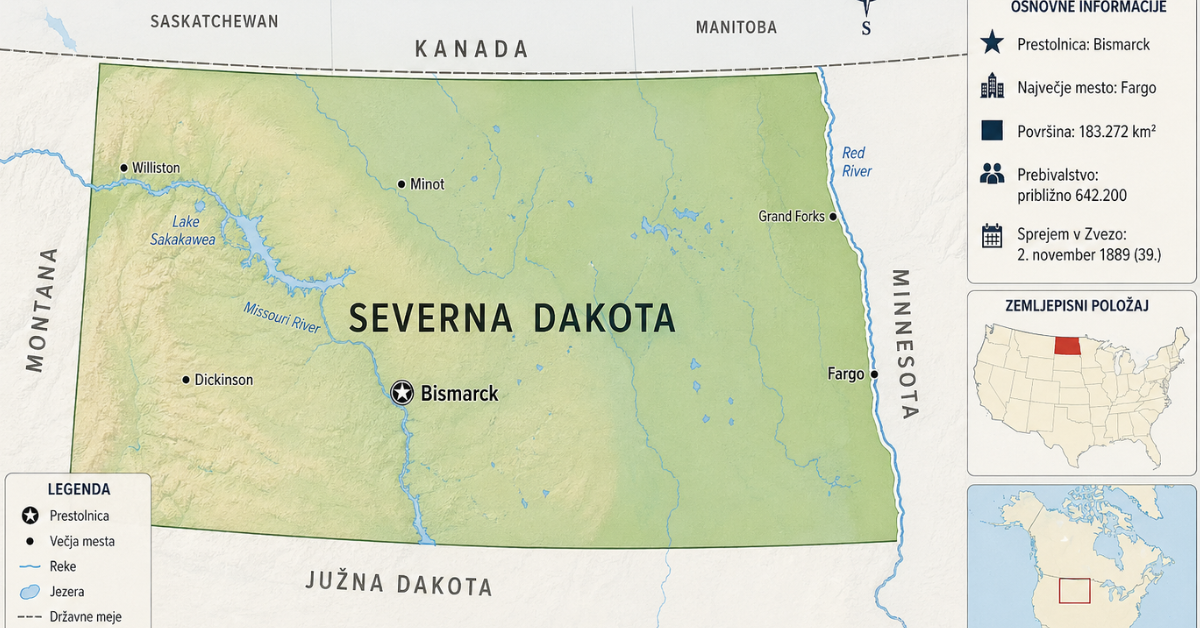
Severna Dakota: Remarkable Insights You’ll Love
Introduction to Severna Dakota Severna Dakota, known in English as…